By Elizabeth Adegbesan
In an unexpected twist across Africa’s largest mobile market, a quiet revolution is happening in reverse.
Millions of Nigerian consumers are locking away their sleek, internet-connected Android smartphones.
Instead, they are returning to basic, non-Android ‘feature phones’ due to the crushing costs of mobile data and airtime, Economy&Lifestyle discovered.
The luxury of staying on-line
A brutal combination of inflation, currency depreciation, and recent tariff adjustments has pushed the price of internet access beyond the reach of ordinary citizens.
For nearly a decade, cheap Android devices powered Nigeria’s digital boom.
Today, keeping those devices connected has become an unsustainable financial burden.
“I had to drop my Android phone in my drawer,” said Idris Abubakar, a 35-year-old auto mechanic.
“Every time I turn on my mobile data, the apps swallow N1,000 worth of data within hours on background updates.
“I cannot choose between feeding my family and feeding a smartphone.
“I bought a small button phone for N14,000, and my life has become much simpler.”
The economic reality is stark. With food inflation hitting record highs, a standard monthly data bundle now competes directly with basic household groceries. For price-sensitive subscribers, the choice is easy.
The Palasa renaissance
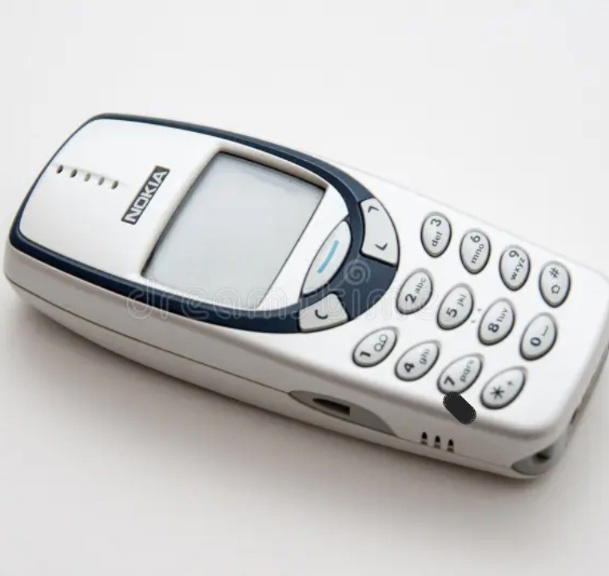
Known locally as palasa or torchlight phones, these basic devices are experiencing a massive sales spike in major tech hubs.
Unlike smartphones, feature phones rely strictly on traditional cellular voice calls and Short Message Service (SMS).
The mass migration has been further accelerated by a recent regulatory clampdown.
Following strict consumer protection directives, major telecommunications operators suspended their popular emergency airtime and data borrowing services for millions of unverified accounts.
For low-income Nigerians who relied on these micro-credits to stay connected between jobs, the sudden loss of this safety net was the breaking point.
“When I could no longer borrow airtime via the shortcode, I found myself stranded,” explained Mrs. Christiana Nwosu, a food stuff seller .
“With my old android phone, if I do not have N500 for a data bundle, the phone is just a useless piece of plastic.
“Now with this small phone, I buy N200 airtime, and it lasts me two days because I only make quick calls to my suppliers.
“Plus, the battery lasts for a whole week, so I do not have to pay commercial shops to charge it during power outages.”
Digital goals vs daily survival
This structural shift represents a significant bump in the road for Nigeria’s ambitious digital economy blueprint, which aims for widespread broadband penetration.
However, microeconomic survival is taking priority over high-tech dreams.
Economy&Lifestyle interrogation of retail phone sellers showed that while smartphone sales have slumped, wholesalers are struggling to keep up with the demand for basic keypad brands.
Small-scale data resellers are also feeling the pinch, as their customer base shrinks by the day.
“We are seeing a complete restructuring of consumer demand,” noted technology retail analyst Makinde Ayoola.
“People have realized that the digital world comes with a heavy monthly tax.
” If a consumer has to choose between buying 2 gigabytes of data or a loaf of bread, the choice is obvious.
” Feature phones protect users from accidental data drain, making their telecom spending completely predictable.”
For the younger generation, the transition is socially difficult but financially liberating.
Halima Musa, a 19-year-old university student, said: “I miss watching videos on TikTok and checking Instagram.
“But keeping up with an android phone felt like maintaining a second house.
“My friends laughed when they first saw my basic button phone, but half of them have no data on their big screens anyway.
“I am done living a fake life to please an algorithm I cannot afford.”
As the widening digital divide cuts off millions from online banking, remote learning, and digital trade, the immediate reality remains unchanged.
For a growing portion of the Nigerian population, the future of mobile communication is firmly rooted in the past.